


Create Stunning Concrete Easter Eggs at Home Using Eggshells
Easter eggs are a classic symbol of spring and renewal, but you can take your holiday decorations to the next level by making concrete Easter eggs at home. Using eggshells as molds offers a creative, eco-friendly way to craft unique, durable eggs that last year after year. This project combines simple materials with a bit of patience and care, resulting in beautiful, textured eggs perfect for decorating your home or garden.
In this guide, you will learn how to prepare eggshell molds, mix and pour concrete, and finish your eggs with style. Whether you want rustic charm or a modern look, these concrete Easter eggs will impress your friends and family.

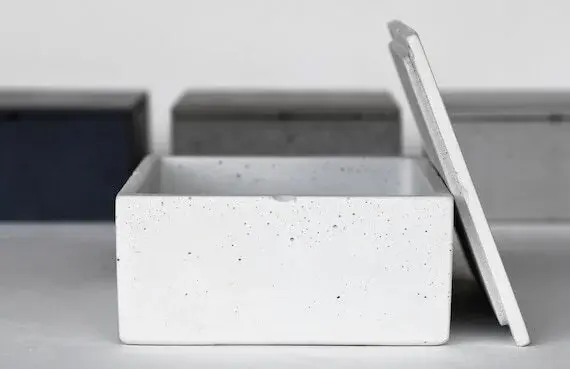
Concrete Easter egg made using eggshell mold, showing smooth texture and natural color
Why Use Eggshells for Concrete Easter Eggs?
Eggshells are the perfect natural mold for small concrete projects because they:
Have a natural egg shape, saving you the trouble of creating molds from scratch.
Are biodegradable and easy to prepare.
Allow you to recycle kitchen waste creatively.
Using eggshells also adds a personal touch to your craft. Each eggshell is unique in size and shape, so your concrete eggs will have charming variations.
Materials You Will Need
Before starting, gather the following materials:
Fresh eggs (large size works best)
Concrete mix (quick-setting or standard)
Water
Mixing container and stirring stick
Small funnel or spoon
Sandpaper (fine grit)
Cooking oil or petroleum jelly (for greasing)
Gloves and protective mask (optional but recommended)
Acrylic paint or sealant (optional for decoration)
Preparing the Eggshell Molds
The first step is to prepare your eggshells to serve as molds for the concrete.
Empty the eggs carefully
Gently tap the bottom of the egg with a spoon or knife to create a small hole. Make the hole large enough to pour concrete in but not too big to lose the shape. Empty the egg contents into a bowl (of course you will use them for cooking).
Clean the eggshells
Rinse the inside of the eggshells with warm water to remove any residue. Let them dry completely.
Mixing and Pouring the Concrete
Mixing concrete for small crafts requires attention to consistency.
Prepare the concrete mix
Follow the instructions on your concrete package. Use a small container to mix a batch that fits your number of eggs. The mix should be thick but pourable, similar to pancake batter.
Pour the concrete into eggshells
Use a small funnel or spoon to fill each eggshell with concrete. Tap the eggshell gently to release air bubbles.
Let the concrete set
Place the filled eggshells in an egg carton or a small tray to keep them upright. Allow the concrete to cure for at least 24 hours. For best results, wait 48 hours.
Removing the Eggshells and Finishing Touches
Once the concrete has hardened, it’s time to reveal your eggs.
Crack the eggshells gently
Use a small tool or your fingers to crack and peel away the eggshell.
Smooth the surface
Use fine-grit sandpaper to smooth any rough edges or imperfections. This step gives your eggs a polished look.
Optional decoration
You can leave the eggs natural for a minimalist look or paint them with acrylic paints. Adding a clear sealant protects the surface and enhances durability.
Creative Ideas for Your Concrete Easter Eggs
Concrete eggs offer endless possibilities for decoration and use:
Garden ornaments: Place them among flowers or in pots for a modern touch.
Table centerpieces: Arrange them with fresh greenery for festive dining.
Gift ideas: Personalize eggs with painted designs or initials.
Tips for Success
Work outside or in a well-ventilated area when mixing concrete.
Wear gloves to protect your hands from concrete irritation.
Experiment with adding pigments to the concrete mix for colored eggs.
Be patient during curing to avoid cracks.
Happy Easter from LUCE!
xoxo


Comments